River cruising is one of the most refined and effortless ways to explore Europe — particularly well suited to corporate incentive travel, executive retreats, and sophisticated group programs. For travelers seeking cultural depth, seamless logistics, and elevated comfort without the scale of an ocean cruise, river cruising delivers a compelling alternative.
For first‑time guests, the appeal is immediate: unpack once, wake up in a new destination each morning, and enjoy a well‑orchestrated balance of discovery and downtime. River cruises combine boutique‑hotel ambiance, regionally inspired cuisine, and immersive sightseeing — all at a graceful, unhurried pace.
What Is a River Cruise?
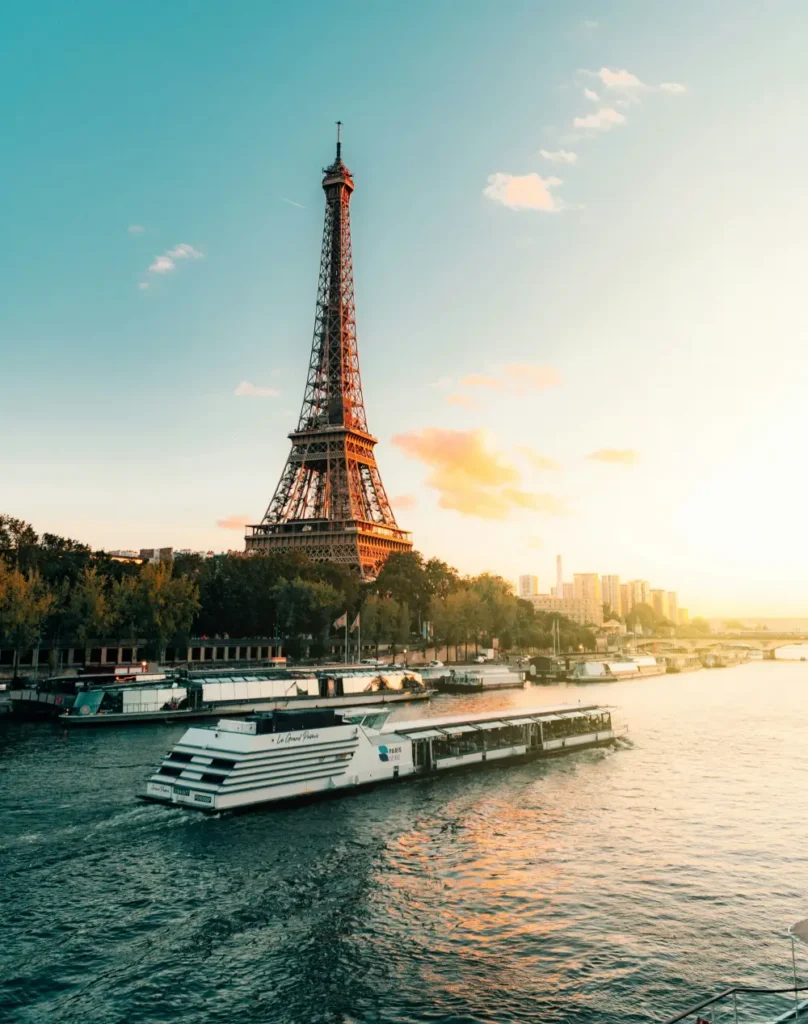
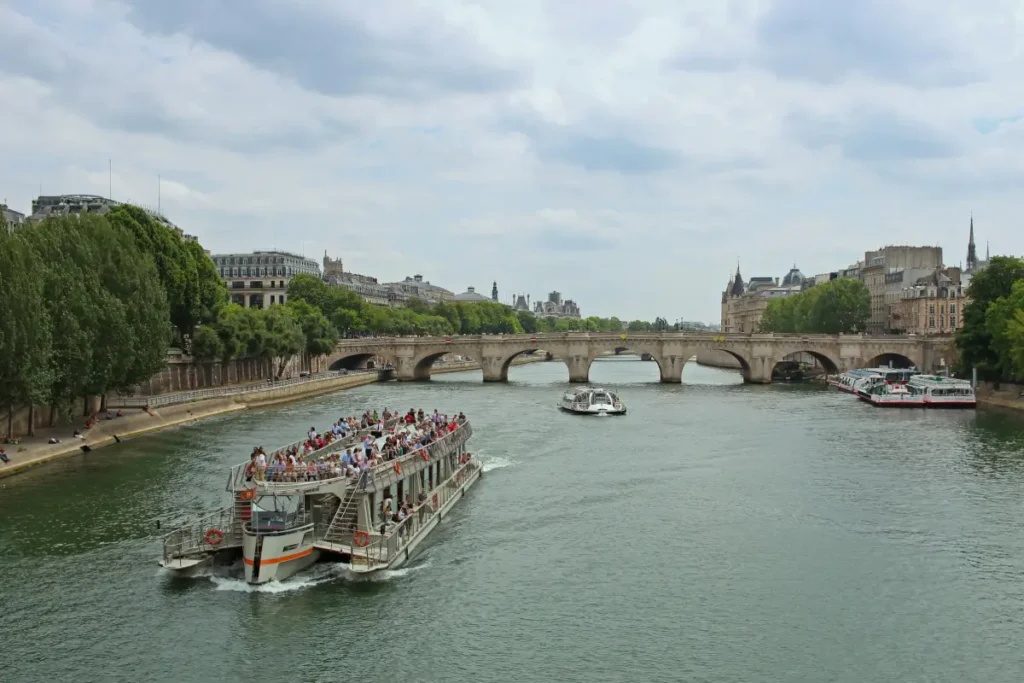
A river cruise travels along inland waterways — rivers, canals, and lakes — rather than open seas. Ships sail short distances between destinations and dock directly in the historic centers of cities and towns, often steps from major landmarks.
Unlike ocean cruising, there are no long days at sea. Instead, itineraries are designed around daily (and sometimes twice‑daily) stops, maximizing time ashore. Many river ships sail quietly overnight, allowing guests to wake up to a new landscape each morning — vineyard‑covered hills, medieval towns, or grand capital cities.
Think of a river ship as a floating boutique hotel: intimate, well‑designed, and free from the constant packing and unpacking required on land‑based touring.
Who Should Consider a River Cruise?
River cruising appeals to a wide range of travelers, making it ideal for mixed‑interest groups and incentive programs:
- Corporate incentive and executive groups seeking ease, elegance, and cultural engagement
- Retirees and mature travelers who value comfort without sacrificing exploration
- Couples and friends who enjoy shared experiences in sociable settings
- Families with older children interested in history, food, and heritage
- Solo travelers, who appreciate the intimate ship size and friendly onboard atmosphere
Daily itineraries offer flexibility, with walking tours, cycling excursions, and leisure time — allowing each guest to tailor the experience to their own pace.
Life On Board: What to Expect
River cruise ships are designed to feel polished yet relaxed. While they must meet strict size limits to navigate bridges and locks, modern design ensures generous public spaces that never feel crowded.
On board, guests may:
- Relax on the sun deck while scenery passes by
- Enjoy casual lounges and panoramic viewing areas
- Unwind with a book or conversation between excursions
Staterooms
All accommodations face the river — there are no inside cabins. Rooms are comparable to upscale hotel accommodations, featuring premium bedding, quality bath amenities, minibars, robes and slippers, and attentive housekeeping. Suites often include enhanced services such as butler or concierge assistance.
Dining & Service
Dining is a highlight of river cruising. Menus feature regional flavors alongside familiar favorites, paired with local wines and thoughtfully selected beverages. Seating is flexible, meal times are unhurried, and group dining is easily accommodated for incentive programs.
Shore excursions are carefully curated and never mandatory. Guests may join guided tours or explore independently with support from the onboard team.
Evenings are intentionally low‑key — designed for connection, conversation, and relaxed enjoyment rather than large‑scale entertainment.
Renowned River Cruise Lines & Ships
River cruising is led by a collection of well‑established brands known for service, design, and destination access. Notable operators include:
AmaWaterways
A leader in modern river cruising, AmaWaterways is known for stylish ships, wellness‑focused design, and active exploration. Signature vessels such as AmaMagna feature expanded public spaces, multiple dining venues, and spa amenities, while many sailings include guided cycling and hiking excursions. AmaWaterways operates throughout Europe on rivers including the Danube, Rhine, Seine, Rhône, and Douro, making it an excellent choice for incentive groups and first‑time river cruisers.
Viking River Cruises
Recognized for its sleek Scandinavian design and destination‑focused programming, Viking operates an extensive fleet across Europe’s major rivers.
Uniworld Boutique River Cruises
Known for highly decorative, boutique‑style ships and an all‑inclusive experience, Uniworld appeals to travelers seeking ultra‑luxury and curated aesthetics.
Scenic Luxury Cruises
Fully all‑inclusive with high service levels, Scenic appeals to travelers looking for premium experiences with minimal decision‑making.
Avalon Waterways
Offers contemporary design, panoramic suites, and a flexible approach well suited to relaxed, independent‑minded travelers.
Top River Cruise Destinations for First‑Timers
The Rhine
Flowing from the Swiss Alps to the North Sea, the Rhine passes through six countries and offers classic European scenery. Highlights include cathedral cities like Cologne and Strasbourg, wine villages such as Rüdesheim, and castle‑lined landscapes of the UNESCO‑listed Middle Rhine Gorge.
The Danube
Stretching across ten countries, the Danube links several European capitals — Vienna, Budapest, Bratislava, and Belgrade — making it ideal for culturally rich itineraries. Scenic highlights include the Wachau Valley, known for vineyards, abbeys, and charming river towns.
These two rivers provide the most accessible and rewarding introduction to river cruising.
Best Time of Year to Take a River Cruise
Timing depends on preferences:
- Spring (March–May): Mild weather, fewer crowds, blooming landscapes
- Summer (June–August): Long daylight hours and lively evenings
- Fall (September–October): Harvest season, fall colors, wine festivals
- Late November–December: Christmas markets and festive décor
Packing Tips for First‑Time River Cruisers
- Wear comfortable walking shoes — cobblestones and historic steps are common
- Pack layers for variable European weather
- Bring a light rain jacket, scarf, or fleece
- A small daypack is helpful for excursions
Dress codes are relaxed. Casual attire is welcome throughout the day, with optional smart‑casual outfits for dinner.
River Cruise vs. Ocean Cruise: Key Differences
- Size: Fewer than 200 guests vs. thousands
- Location: Ships dock in city centers, not ports
- Motion: Calm waters with virtually no seasickness
- Pace: Deeper immersion, less onboard spectacle
River cruises emphasize 3Ps: Place, Pace, and Personalization.
What Is a Typical Day Like?
There is no “typical” day. Guests choose how active or relaxed they wish to be. Some join morning excursions; others enjoy a later breakfast and scenic cruising. Flexibility is built into every itinerary.
Is River Cruising Worth It?
River cruises offer strong overall value, particularly for group and incentive travel. Fares typically include:
- Accommodations
- Most meals and beverages
- Shore excursions
- Inter‑city transportation
This makes budgeting simpler and eliminates many hidden costs associated with land travel.
Why River Cruising Works for Group & Incentive Travel
River cruising delivers:
- Seamless logistics
- Cultural depth without complexity
- Elegant accommodations
- Exceptional service ratios
- Built‑in social connection
For corporate groups and sophisticated travelers, few travel formats balance ease, enrichment, and comfort as effectively.